

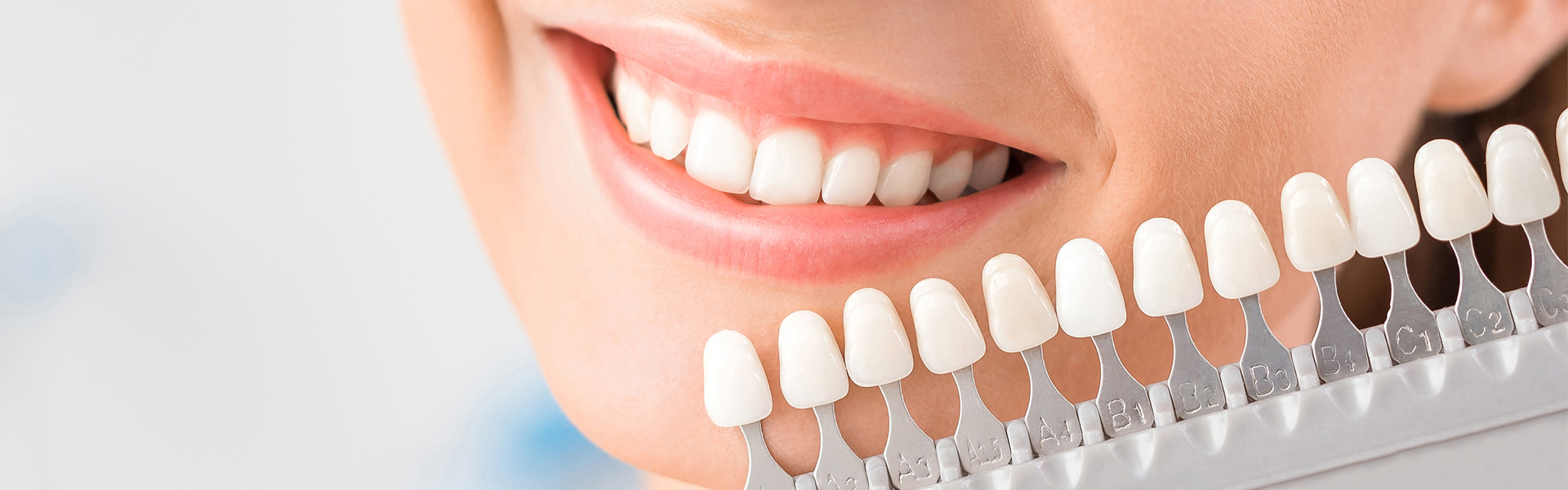
Can Dental Veneers Stain Over Time?
Dental veneers enhance the appearance of teeth with discoloration, minor damage, or uneven contours. Patients often ask whether veneers can change in appearance over time, especially when considering long-term results.
Daily habits such as beverage choices, tobacco use, and oral hygiene routines play a direct role in how veneers maintain their appearance over time. While veneers are designed to resist staining, their appearance can still be influenced by how they are cared for over time.
Why Veneer Materials Affect Stain Resistance
Most veneers are made from porcelain or composite materials. Porcelain is less likely to stain due to its non-porous surface, which reduces the absorption of food and drink stains.
Composite materials are more porous than porcelain and may show discoloration sooner. However, proper placement, finishing, and routine care help reduce the likelihood of visible staining.
Habits and Conditions That Influence Veneer Appearance
Although veneers are stain-resistant, they are not entirely immune to changes in appearance. Several factors can affect how veneers look over time, including:
- Frequent consumption of coffee, tea, or red wine
- Tobacco use
- Inconsistent oral hygiene
- Surface wear that develops with time
Patients often ask how lifestyle habits may affect veneer appearance, making this an important part of treatment discussions.
Differences Between Veneers and Natural Enamel
Veneers do not respond to whitening treatments after placement. Natural enamel may stain more easily, but it can often be lightened with professional whitening procedures. Veneers, by contrast, retain their original shade unless they are polished, repaired, or replaced.
This difference is important to consider when planning cosmetic treatment, particularly for patients who may want future whitening.
Caring for Veneers Day to Day
Veneers require the same daily care as natural teeth. Consistent brushing, flossing, and professional dental care help preserve veneers and overall oral health.
Professional cleanings help remove surface buildup that may affect appearance.
Why Veneers May Appear to Change Color
If the tooth at the veneer edge darkens over time, the contrast can become more visible. Surface wear can also alter light reflection. Patients can ask their dentist about cleaning techniques and oral care products suitable for veneers.
A dental evaluation can help determine whether polishing, adjustment, or replacement is appropriate when changes in veneer appearance are observed.
Planning for Veneer Appearance Over Time
Before veneers are placed, dentists in Sanger discuss material selection, shade choice, and long-term maintenance. This planning helps patients understand how veneers may look years after placement and what care is required to maintain their appearance.
Clear treatment planning helps balance cosmetic goals with long-term oral health needs.
Conclusion:
Changes in veneer appearance may be related to nearby natural teeth rather than the veneer material. Dental veneers are designed to resist staining, particularly porcelain veneers, but daily habits and long-term wear can still influence their appearance. Understanding how veneers behave over time and maintaining consistent oral care can help preserve their appearance. At The Sanger Dentist, veneer treatment decisions are guided by clinical evaluation, patient education, and long-term oral health considerations.